
The Role of Luck in Casino Games
Luck plays a fundamental role in casino games, where outcomes are often determined by chance rather than skill. Games like slots, roulette, and dice are designed to generate random results, making it easy to believe that anyone can win big simply by having the right fortune at the right time. The unpredictability of these games naturally invites the notion that luck is the primary factor influencing success, especially when players consider options like the best online casino for their next big win. Players who strike it rich instantly become examples of how luck can favor anyone, sparking dreams of winning among other gamblers.
However, while luck is indeed a significant factor in casino success, it is also essential to understand that it does not guarantee consistent wins. Many players enter the casino with high hopes, only to leave empty-handed. This outcome illuminates the randomness associated with luck—it’s inherently unpredictable. For example, two players may spin the same slot machine consecutively; one may hit a jackpot while the other may face a string of losses. Such contrasts underline the whimsical nature of luck and its temporary embrace.
Moreover, differing gaming strategies can influence how luck manifests for players. Although fortune can favor participants at any moment, employing strategies rooted in mathematical advantage can sway results over time. Some games involve skill components, such as poker or blackjack, where making informed choices can enhance a player’s experience. Therefore, while luck may provide the occasional thrill, informed decision-making and practice can significantly affect overall success in the long term.
Psychological Aspects of Luck and Gambling
The psychology behind luck in gambling is as intriguing as the mechanics of the games themselves. Many players firmly believe in luck as an influencing factor, often attributing their wins to good fortune while focusing less on their losses. This selective perception can shape how individuals approach gambling, sometimes leading to irrational decision-making driven by the belief that luck can change at any moment. Such psychological biases can affect their betting patterns and risk tolerance, ultimately impacting their overall casino experience.
Gamblers frequently engage in rituals or lucky charms, hoping to improve their odds. For instance, some may wear specific clothing or engage in particular behaviors before placing bets. This behavior stems from the desire to gain control over an uncontrollable situation, underscoring the human need to attribute success to something tangible. Such psychological factors can create an environment where a player’s belief in luck may amplify their overall enjoyment, even if it doesn’t directly translate to financial success.
Additionally, the notion of ‘hot’ and ‘cold’ streaks plays a vital role in how players perceive luck within a casino setting. When people experience consecutive wins, they often feel that luck is on their side and continue to gamble with heightened confidence. Conversely, hitting a losing streak might lead players to believe they’re ‘due’ for a win, perpetuating their gambling behavior despite the risks involved. This complex interplay of belief and behavior illustrates how deeply intertwined luck and psychology are within the gambling experience.
Statistical Realities Behind Casino Games
While luck is often deemed the primary driver of success at the casino, understanding the statistical realities of casino games provides a more comprehensive perspective. Each game comes with built-in advantages for the house, commonly referred to as the house edge. This statistical framework guarantees that, over time, the casino will always emerge with a profit, irrespective of individual players’ luck. For players, this means that while they can experience short-term wins, the long-term trajectory is often unfavorable.
For example, in games like blackjack, while skill and strategy can mitigate the house edge, the probabilities remain skewed. Players who are unaware of optimal strategies may mistakenly rely on luck to guide their decisions, leading to predictable losses. Understanding probabilities can not only help players make better decisions but also expose the myth that luck is the sole determining factor in their gaming experience. This knowledge often leads to a more disciplined approach to gambling, which can enhance enjoyment and reduce financial losses.
Additionally, slot machines are primarily luck-based but are designed with return-to-player (RTP) percentages that dictate how much is paid back to players over time. Understanding these percentages can help players assess their expectations and play responsibly. Knowing that certain games offer better odds than others can empower players to make informed choices rather than relying solely on luck. This statistical awareness fosters a more pragmatic approach to gambling, bridging the gap between the whims of fortune and the realities of the gaming environment.
Enhancing Your Gaming Experience: Skill vs. Luck
Distinct differences exist between skill-based games and those driven by luck, and understanding these can enhance your gaming experience. In skill-based games like poker and blackjack, players have the opportunity to apply strategy and technique, significantly influencing the outcome. Here, while luck plays its role, mastery of the game can often lead to consistent results, demonstrating that a blend of skill and fortune is crucial for success. Players who focus on improving their skills can often inflate their winning potential beyond what luck alone can provide.
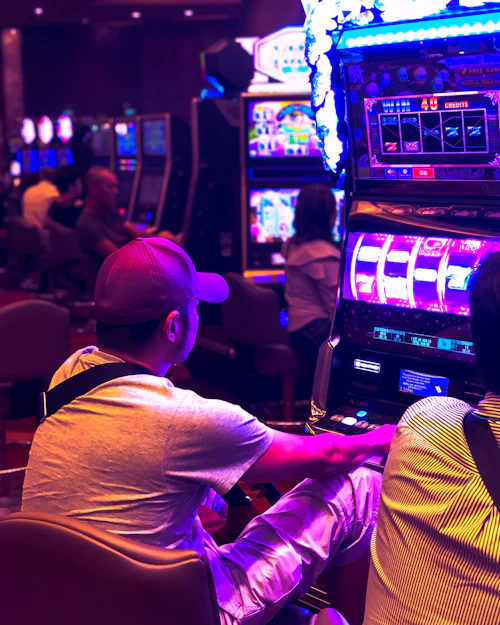
Contrastingly, in luck-based games, the element of chance overshadows skill. Players of slots and roulette find themselves at the mercy of random number generators and spinning wheels. In these situations, while lucky streaks can lead to significant wins, they are inherently unpredictable and fleeting. This contrast emphasizes that while luck can provide excitement, understanding the limitations of skill in these scenarios can manage expectations more effectively.
Ultimately, the best approach to gambling combines an appreciation for luck with a pursuit of skill. By diversifying your gaming strategy, you can maximize your enjoyment while acknowledging that luck may never favor you consistently. Striking a balance between these elements fosters a healthier gambling environment, allowing players to both experience the thrill of chance while benefiting from strategic play when possible.
Your Go-To Resource for Casino Insights
When exploring the intricate world of casinos and gambling, having access to reliable resources can significantly enhance your understanding of luck and strategy. Whether you are an experienced player or a novice looking to learn the ropes, various platforms offer insights, tips, and guidance on how to navigate the casino landscape. Educational articles, guides, and forums can expand your knowledge about games and strategies, helping you to make more informed decisions.
Beyond the basic rules, these resources often delve into the psychological aspects of gambling, including how luck and belief systems affect player behavior. Understanding these dynamics can enrich your gambling experience, transforming it from merely a game of chance to a more structured pursuit of skill and strategy. This duality allows players to appreciate the excitement of luck while recognizing the importance of informed play.
In summary, as you venture into the world of casinos, remember that luck undeniably plays a role in your experience. However, by marrying that chance with knowledge and strategy, you can enhance your chances of success and create a more enjoyable gambling experience overall. Embracing both aspects will not only improve your odds but also deepen your appreciation for the complexities of casino gaming.
