
Understanding cultural perspectives on gambling A global exploration
Historical Context of Gambling Across Cultures
The practice of gambling has roots that trace back thousands of years, deeply ingrained in various cultures worldwide. Historical records indicate that ancient civilizations, such as the Chinese and Greeks, engaged in forms of betting on games and events. These early instances of gambling often had connections to social rituals and community bonding. Understanding this historical context helps illustrate how gambling evolved from a communal activity into a structured industry, reflecting societal norms and values over time. For those interested in online platforms, levelupcasino.site presents a modern take on these age-old traditions.
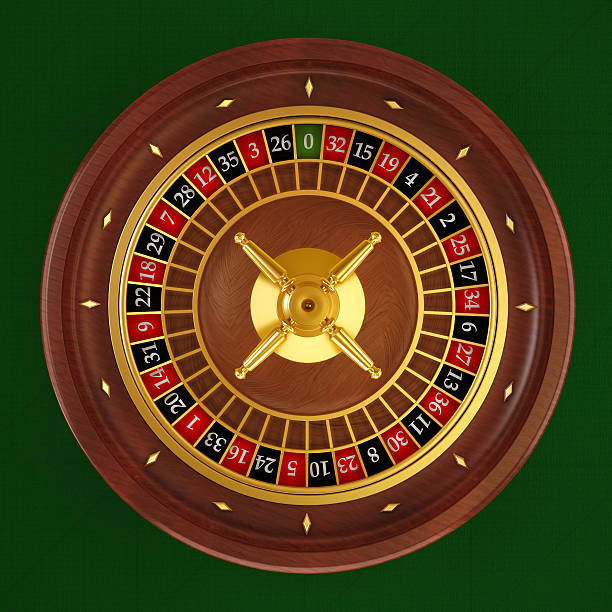
In many indigenous cultures, gambling was more than mere entertainment; it served as a means of decision-making and a way to resolve conflicts. For example, dice games played by Native American tribes were often used to determine outcomes in disputes or to make important community decisions. As societies progressed, the emergence of organized gambling establishments, such as casinos, transformed the landscape, leading to new perceptions and regulations surrounding the activity.
Through the ages, gambling has maintained a duality in its representation—both as a source of entertainment and a potential vice. Different cultures have debated its moral implications, leading to varied legal frameworks. In some societies, gambling is embraced as a legitimate form of recreation, while in others, it is heavily restricted or outright banned. This historical overview sets the stage for a deeper understanding of how cultural perspectives on gambling are shaped and continue to evolve.
Cultural Attitudes Toward Gambling
Cultural attitudes towards gambling can vary significantly, influenced by religious beliefs, social norms, and historical experiences. In certain societies, like those in parts of Asia, gambling is often viewed through a lens of superstition and tradition. For example, during Lunar New Year celebrations, many families partake in games of chance, believing that fortune and luck will enhance their prospects for the coming year. This cultural acceptance demonstrates how gambling can serve as a way to reinforce familial bonds and cultural identity.
Conversely, in Western societies, particularly in regions like the United States, gambling is often seen as a form of entertainment and economic activity. Las Vegas, known as the gambling capital of the world, epitomizes this attitude, where high-stakes games attract millions of tourists each year. Here, gambling is commercialized, celebrated, and integrated into the social fabric, reflecting a more permissive stance towards risk-taking behavior.
However, this permissiveness is not without its critics. Various groups argue that gambling can lead to addiction and social problems, prompting calls for regulation and responsible gambling initiatives. The contrasting attitudes towards gambling highlight a complex interplay of cultural values, economic interests, and social responsibilities that influence how gambling is perceived and managed worldwide.
Legal Frameworks and Regulations
The legal status of gambling varies greatly from one country to another, often reflecting underlying cultural attitudes. In countries like Australia and Canada, online and offline gambling is generally accepted and regulated, leading to a robust market that caters to diverse player preferences. Regulatory bodies ensure that gambling operations adhere to strict guidelines, promoting fairness and responsible gaming practices. This acceptance is often tied to the economic benefits that legal gambling brings, including job creation and tourism revenue.
In contrast, countries with strict religious influences, such as Saudi Arabia or Islamic nations, typically impose severe restrictions on gambling. Here, the practice is associated with moral and ethical considerations rooted in religious teachings, which prohibit games of chance. Consequently, underground gambling rings may thrive, illustrating the complexities that arise when cultural values clash with economic desires.
Additionally, the rise of online gambling has led to new regulatory challenges, as jurisdictions grapple with how to oversee digital platforms that operate beyond traditional borders. This evolving landscape demands adaptive legal frameworks that can address the unique challenges posed by online gaming while considering cultural perspectives. As such, the future of gambling regulation will likely continue to reflect the diverse cultural attitudes that exist worldwide.
Gambling as a Cultural Expression
In many cultures, gambling transcends mere monetary stakes and becomes a form of cultural expression. Traditional games, often passed down through generations, serve as a means of storytelling and cultural transmission. In communities around the world, games like Mahjong in China and Lotería in Mexico not only provide entertainment but also foster social connections and cultural identity. These games can often carry deep meanings, encapsulating the values and history of the societies in which they are played.
Moreover, high-stakes gambling events, such as poker tournaments or sports betting, have evolved into cultural phenomena that attract both participants and spectators alike. These events create a sense of community among players and fans, often celebrated through festivals or televised broadcasts. Such gatherings can serve as cultural milestones, highlighting the significance of gambling in social life and its ability to bring people together.
As gambling continues to be integrated into popular culture—through films, literature, and online platforms—it reflects broader societal trends and attitudes. From classic films that glamorize high-stakes poker to modern video games that simulate casino experiences, gambling remains a dynamic aspect of cultural expression. This evolving narrative showcases how gambling can both shape and be shaped by cultural contexts, reinforcing its place in contemporary society.

Exploring Level Up Casino
Level Up Casino offers an innovative and exciting online gaming experience that caters to diverse players worldwide. With over 7,000 games, including high-stakes options, the platform appeals to both casual gamers and seasoned gamblers. Established in 2020 by Dama N.V., Level Up Casino prioritizes user experience and security, providing a mobile-friendly environment that allows players to enjoy gaming anytime, anywhere.
The casino features a generous welcome bonus of up to A$8,000, along with 200 free spins, enticing new players to join the community. Furthermore, its robust VIP program rewards loyal players, ensuring that dedicated users receive the recognition and benefits they deserve. Daily tournaments add an element of excitement, creating opportunities for players to win big while engaging with a vibrant gaming community.
As online gambling continues to grow, platforms like Level Up Casino are at the forefront, shaping the future of gaming. By focusing on player-centric features and a diverse range of games, the casino embodies the evolving perspectives on gambling, blending entertainment with cultural engagement. Join Level Up Casino today to embark on a thrilling journey filled with excitement, camaraderie, and the chance for substantial rewards.

Add Comment