
The Illusion of Winning
When individuals step into a casino, they are often engulfed by the bright lights, the sounds of slot machines, and the allure of potential jackpots. This environment can create an illusion of easy wins, luring gamblers into a false sense of security. Many players may initially win small amounts, leading them to believe that they can consistently beat the odds, especially when exploring betting sites australia that promise big rewards. However, the reality is that casinos are designed to profit in the long run, and the house always has an advantage. Understanding this dynamic is crucial for anyone considering gambling as a form of entertainment.
Moreover, many gamblers often overlook the long-term effects of their gambling habits. The initial thrill of winning may overshadow the financial losses that accumulate over time. Research shows that a significant number of players end up losing more than they intended or can afford. This can be attributed to the psychology of gambling, where players continue to gamble in hopes of recouping losses, thereby deepening their financial commitments and increasing the associated risks. Responsible gambling involves recognizing and managing these psychological challenges effectively.
In addition to emotional and psychological factors, the financial implications of gambling extend beyond the money lost on games. Players may spend additional funds on travel, accommodation, dining, and entertainment while visiting casinos. These hidden costs can add up quickly, transforming a night of gaming into an expensive outing. As a result, it becomes essential for gamblers to calculate the total cost of their casino experience, rather than merely focusing on the losses incurred during play.
The True Cost of Amenities and Entertainment
Casinos are not just places to gamble; they offer a wide array of amenities, including fine dining, extravagant shows, and luxury accommodations. While these facilities enhance the overall experience, they also incur additional costs that many patrons do not fully account for. Patrons may find themselves spending significant amounts on meals at high-end restaurants or purchasing tickets for performances, which are often marked up considerably within the casino. These expenses can significantly contribute to the overall financial impact of a gambling outing.
Additionally, casinos often provide complimentary services, such as drinks or accommodations, in hopes that players will keep gambling. While these incentives may seem like free perks, they are designed to keep gamblers engaged and spending more. Players might feel encouraged to stay longer at the tables or slots, leading to further losses. Thus, it’s essential to recognize that while some amenities can provide immediate gratification, they often come at the cost of increased gambling expenditures.
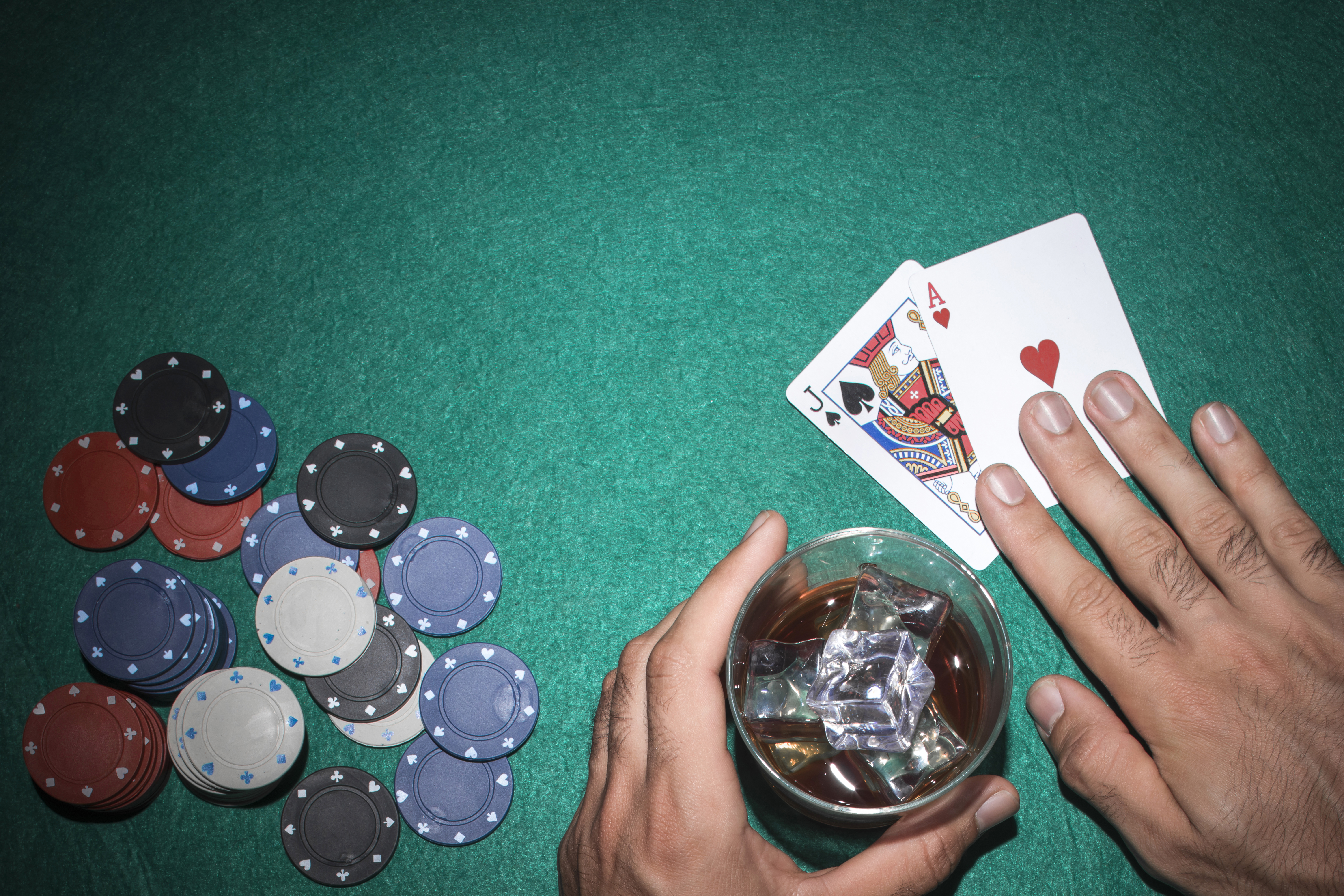
Furthermore, the atmosphere in casinos is crafted to promote prolonged play. The design of the casino floor, lack of windows, and absence of clocks can lead players to lose track of time. This psychological manipulation can cause individuals to gamble more than they intended, leading to larger losses. With the allure of lavish amenities and the continuous push to play, gamblers must stay vigilant about their spending habits and the potential costs associated with their entertainment choices.
The Impact of Gambling Addiction
Gambling addiction is a serious issue that affects millions of individuals worldwide. The costs associated with gambling addiction can be profound, often going far beyond monetary losses. Individuals may face strained relationships with family and friends, loss of trust, and severe emotional distress. The cycle of addiction can lead to borrowing money, escalating debts, and potentially even illegal activities to support gambling habits. Recognizing the signs of gambling addiction is critical for those who engage in gambling activities.
The financial implications of gambling addiction can be devastating. Many individuals find themselves in dire financial situations as they chase losses or continue to gamble despite negative consequences. This can lead to bankruptcy, loss of assets, and other significant financial penalties. Support systems or counseling services can help individuals address their gambling behaviors and regain control over their finances. It’s crucial to seek help early to prevent the cycle of addiction from worsening.
Prevention and awareness are key in combating the hidden costs of gambling addiction. Educational programs and resources can provide individuals with the tools and knowledge necessary to gamble responsibly. By understanding the potential risks and signs of problem gambling, players can learn to identify when they need to step back. Promoting healthy gambling habits and encouraging open conversations about the impacts of gambling can significantly reduce the adverse effects associated with addiction.
The Long-term Financial Consequences
In addition to immediate losses, the long-term financial consequences of gambling can create lasting repercussions. Many individuals may not realize how much they lose over time, which can lead to a shocking revelation upon reflection. For example, someone who gambles regularly might find that their monthly gambling budget far exceeds what they initially intended to spend. This can create financial instability, affecting their ability to meet everyday expenses or savings goals.

Moreover, the compounding effects of continuous gambling losses can hinder personal financial growth and stability. The money lost could have been invested, saved for emergencies, or utilized for necessary living expenses. Thus, individuals are encouraged to consider the opportunity costs of their gambling activities. This perspective can provide a more comprehensive view of the financial implications of frequent gambling, prompting them to evaluate their choices more critically.
Ultimately, understanding the long-term effects of gambling is essential for making informed decisions. Setting strict budgets, being aware of one’s gambling habits, and periodically reviewing financial situations can help manage the risks associated with gambling. By adopting a proactive approach, individuals can enjoy gambling as a leisure activity without detrimental effects on their financial health.
Understanding Responsible Gambling
Responsible gambling is a critical aspect of enjoying the gaming experience while minimizing the risks associated with it. Establishing clear limits before engaging in gambling is essential. Players should set both time and monetary limits to ensure that they do not exceed their budget or spend more time than they intend. This practice can foster a healthier relationship with gambling and aid in avoiding the hidden costs commonly associated with impulsive gambling behavior.
Furthermore, casinos and online gambling platforms often provide tools and resources to encourage responsible gambling. Features such as self-exclusion options, deposit limits, and reminders can help players control their gambling activities. Utilizing these resources can significantly reduce the chances of developing problematic gambling habits, allowing players to enjoy their experience without incurring unwanted costs.
In conclusion, understanding the hidden costs of casino gambling is essential for anyone who participates in this activity. By recognizing the psychological aspects of gambling, the true costs of amenities, the potential for addiction, and the importance of responsible gambling practices, individuals can engage in this form of entertainment in a more informed and financially responsible manner. Ultimately, informed players can enjoy their time at the casino while minimizing risks and costs associated with gambling.
